
Our Impact
The best measure of OJP’s success is its impact. We want our reporting to not only shine a light on important issues the state faces, but lead to real change that makes for a better Oregon. And while that can be hard to measure, it is the benchmark of our progress.
Here are some recent examples of our impact:
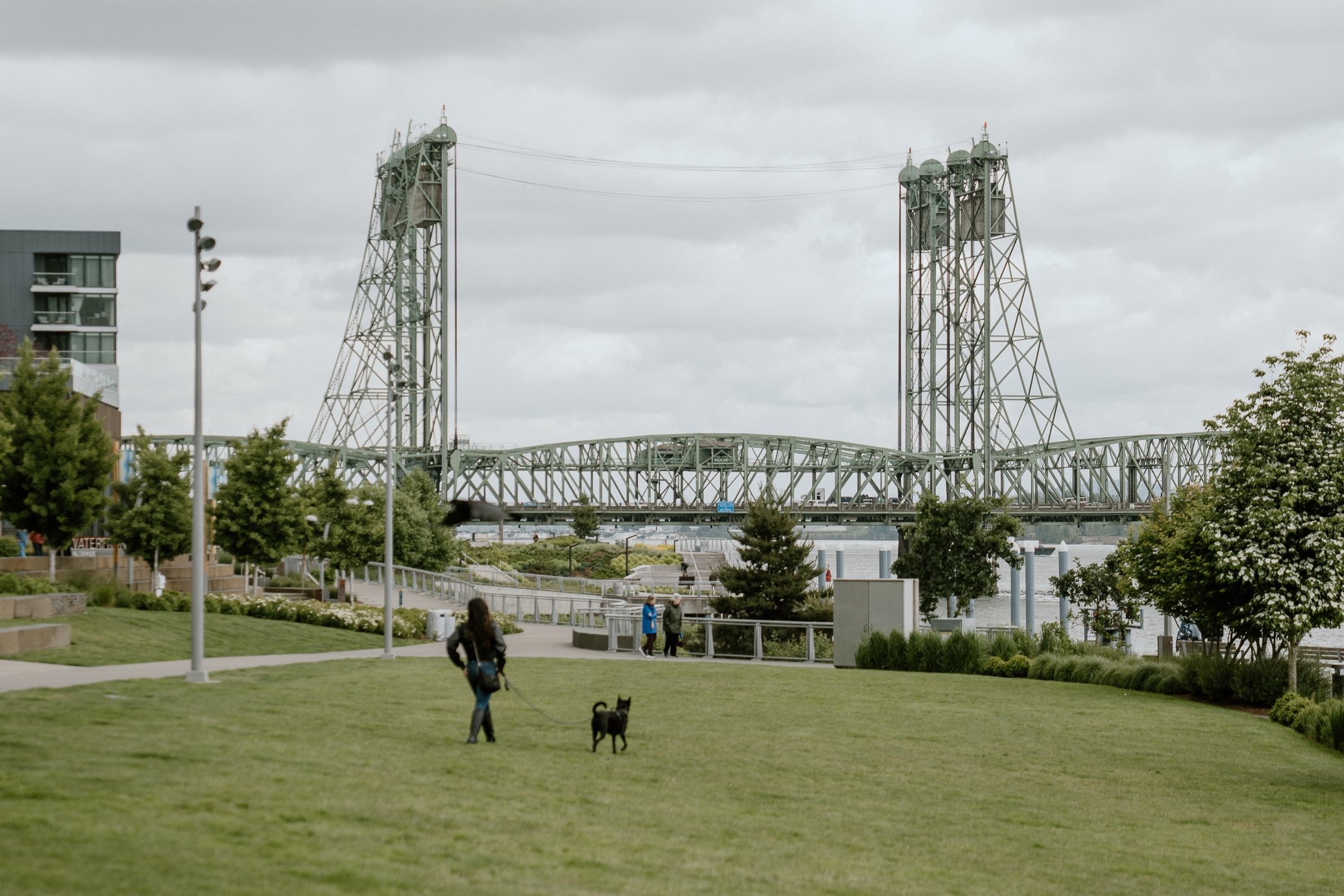
Revealing the Cost of the Interstate Bridge
Our 2026 examination of the ballooning cost of the Interstate 5 Bridge Replacement project exposed that government employees failed to disclose the project's runaway costs to a bistate committee of lawmakers.
Shortly after our investigation was published, commissioners sharply criticized project leadership. “Let’s be really honest here,” commission chair Julie Brown said. “It is a shock to us to find out the way we did. You put us all in a bad situation. The staff shouldn’t try to hide something.”
In March, under pressure, the project released a new estimate showing that, indeed, the cost of the bridge project had skyrocketed.
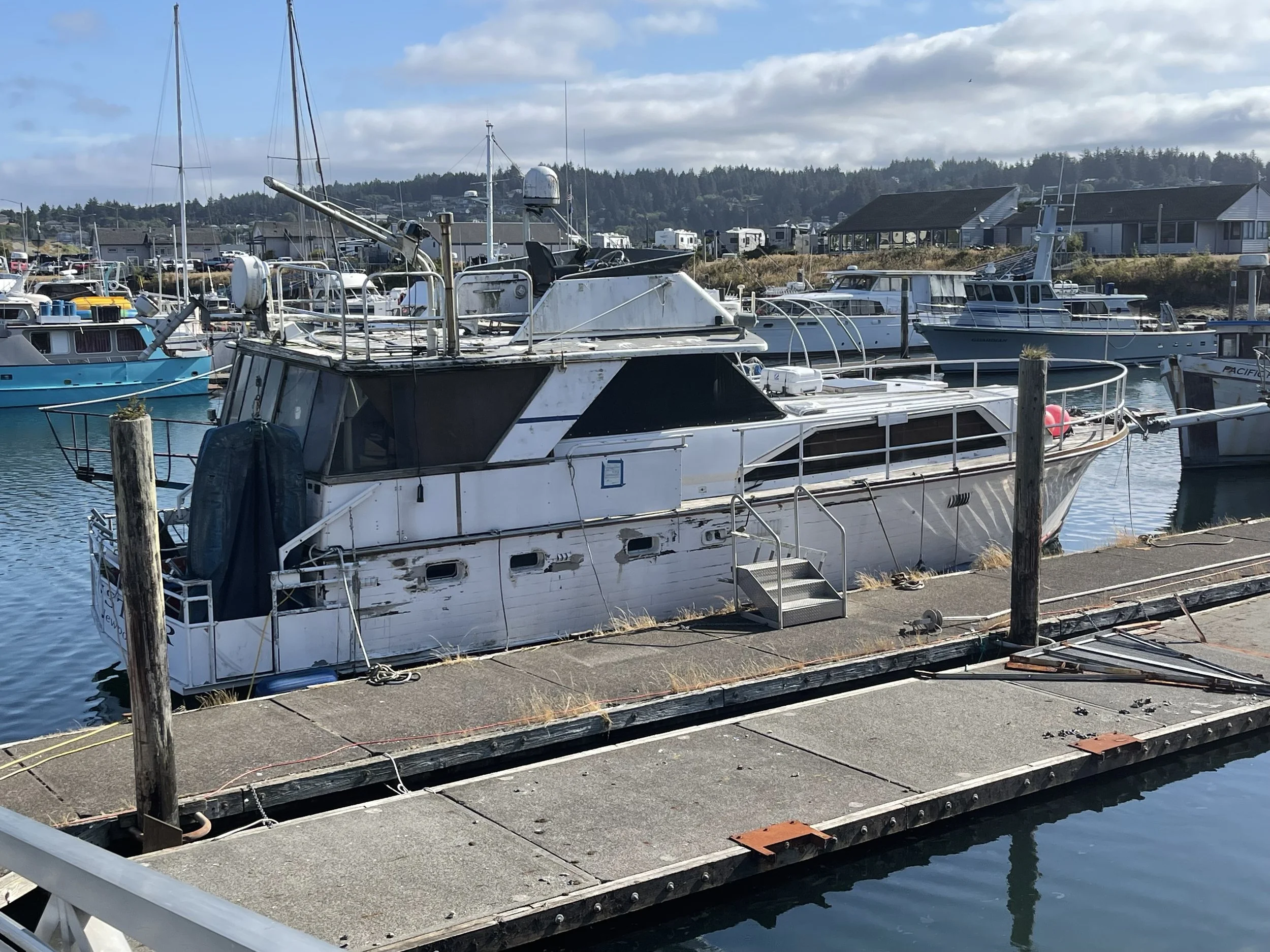
BOLI Wage Law Reversal
In January 2026, we exposed how the Oregon Bureau of Labor and Industries “creatively” interpreted prevailing wage law in a manner that inflated the cost for ports and local governments across the state to remove derelict vessels from Oregon’s navigable waterways.
Less than two months after our story raised the issue, BOLI reversed its determination without explanation, saving local jurisdictions hundreds of thousands if not millions of dollars.
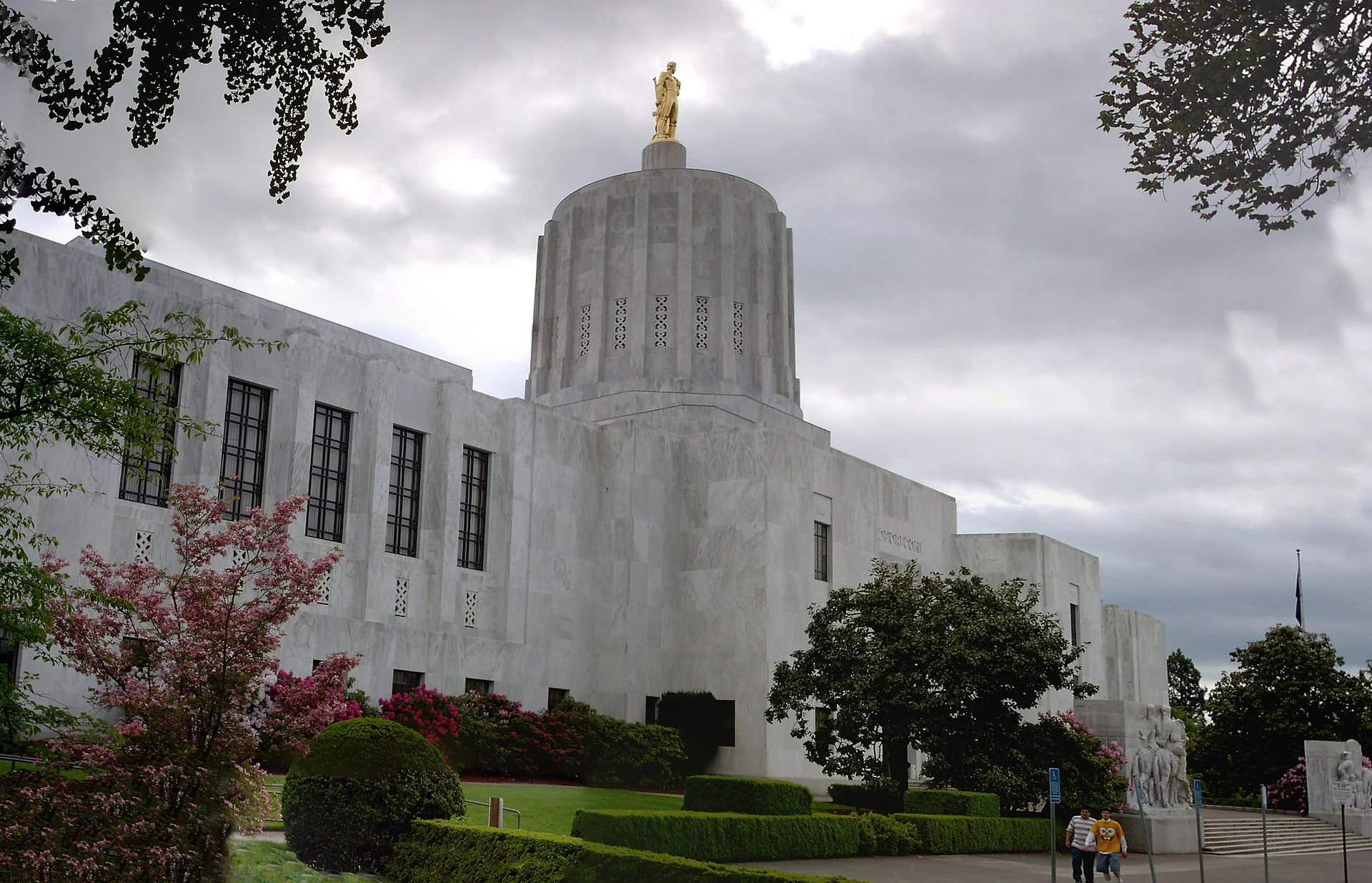
Transportation Tax Repeal
At the beginning of 2026, OJP unearthed a 90-year-old legal opinion indicating that an Oregon law referred to voters may not be repealed before they can vote on it—which was exactly what Democrats were attempting to do with a transportation bill.
Following our discovery of the dusty legal opinion and ensuing media coverage, lawmakers abandoned this attempt to circumvent the will of the voters. They have since scheduled the election on the unpopular referral in May, rather than November, as opponents of the bill have demanded.

Travel Oregon CEO Departs
Over the past year, OJP reported on an overlooked but important state marketing agency, Travel Oregon. Our first story revealed the executive director’s outsized pay ($477,264 in total compensation in 2024), a dysfunctional workplace, and a lack of government oversight.
The agency’s longtime executive director retired because of that reporting.
When OJP further reported that Travel Oregon would not release details of his retirement package, the agency reversed itself and disclosed it.
Then, after OJP reported in another story that one of the commissioners overseeing the agency had received a six-figure, no-bid contract providing services to Travel Oregon, the commissioner resigned.
And finally, Travel Oregon’s board, now searching for a successor, announced in early 2026 that the new director would be paid about $250,000 a year, more than $110,000 less than the base salary of the outgoing executive.


DEQ Lifts Electric Truck Quota
Early in 2025, OJP detailed the unrealistic requirements embedded in Oregon’s “Advanced Clean Trucks Rule.” That rule placed an unreachable electric vehicle quota on sales of heavy trucks without any acknowledgement of the limits of the technology.
Four months later, the state Department of Environmental Quality stopped enforcing the quota.
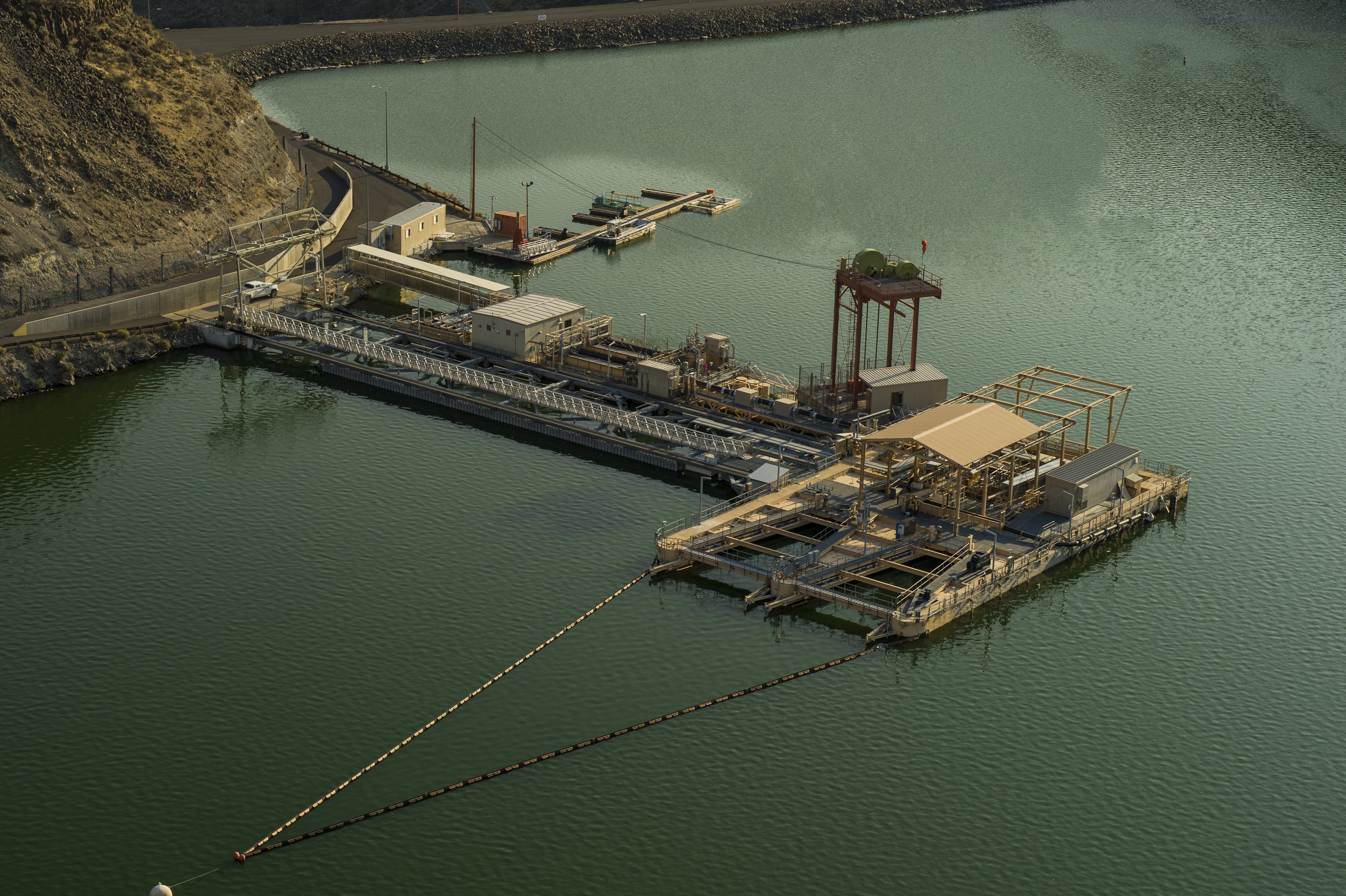
The Deschutes River
Our 2025 investigation showed how Portland General Electric’s use of an unproven and ineffective technology, which makes money for the investor-owned utility, has actually deteriorated water quality in the lower Deschutes River.
Seven Oregon conservation groups responded by petitioning the governor’s office to assess the technology’s certification, an effort ultimately joined by the Governor herself.
In August 2025, a peer-reviewed paper found that the dam in question “resulted in a net reduction in water quality and aquatic habitat in the lower Deschutes River.”
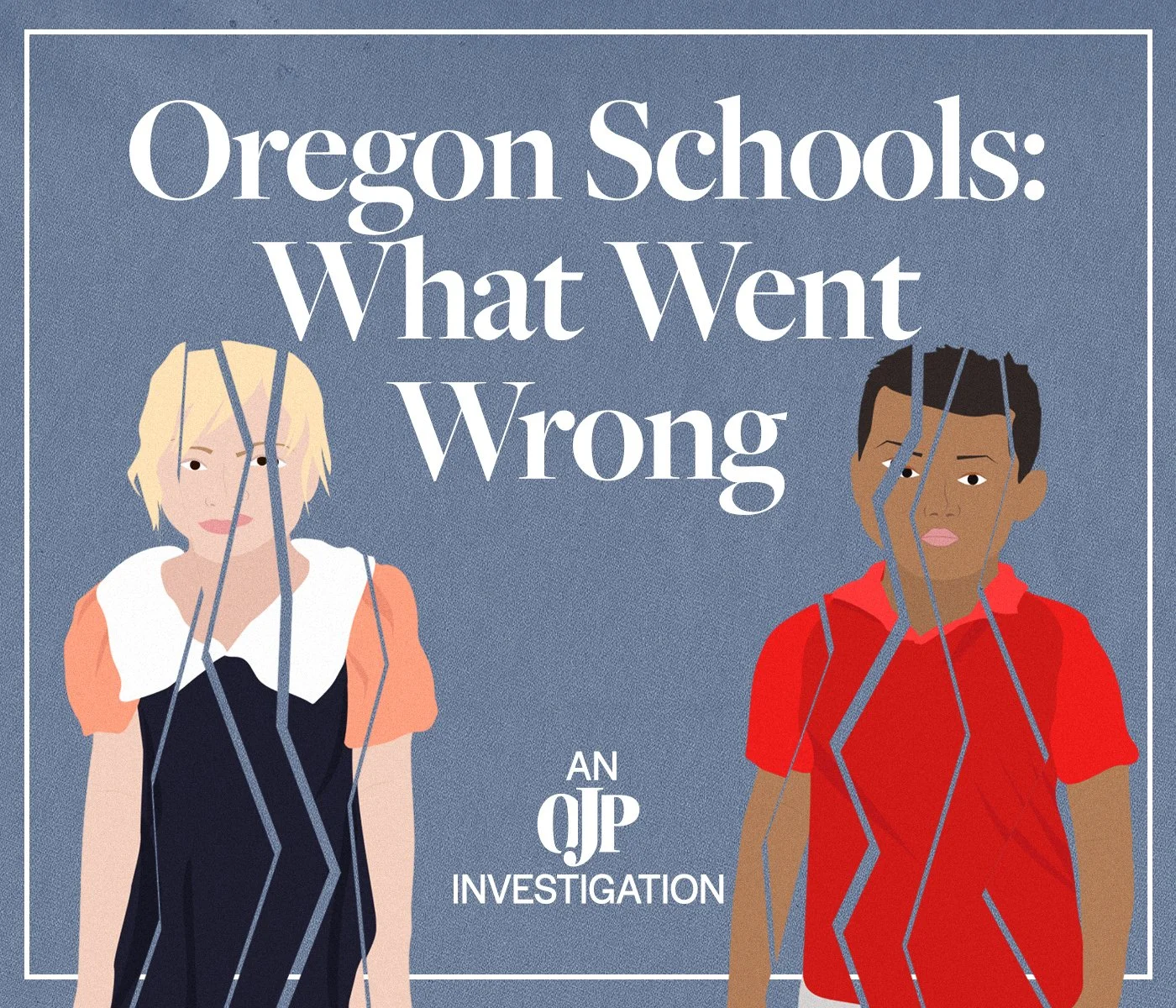
Education
Having a meaningful impact on the systemic failure of Oregon’s K–12 education is a long journey, but the Oregon Journalism Project continues to shine a light on some of the overlooked obstacles and solutions to improving state reading scores, which are among the nation’s worst.